Can I Print on Paper and Plastic? Ultimate Guide to Large Format Printing
Large format printing works on far more than paper. This guide covers the full range of paper and plastic substrates available for large format printing at VSL Print in NYC.
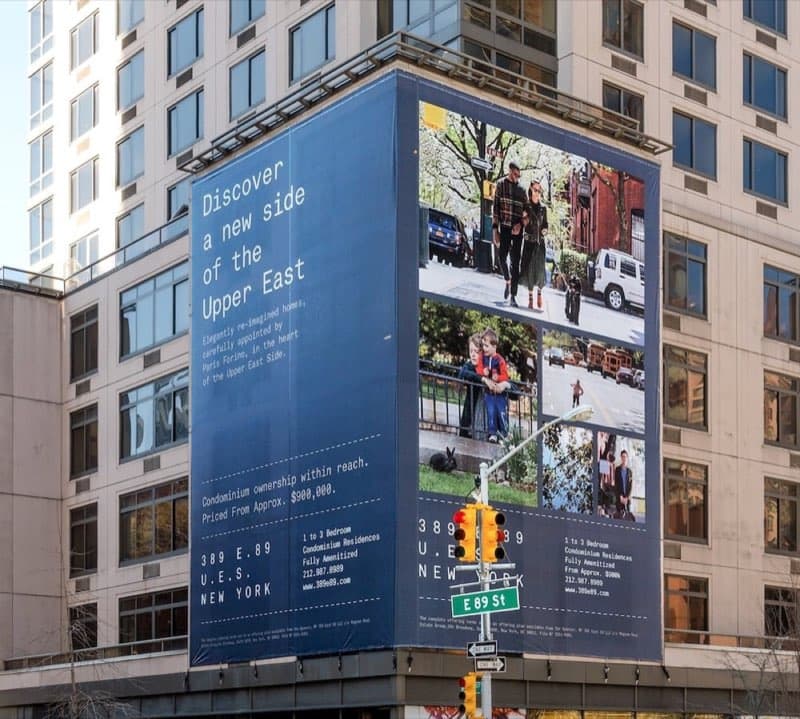
Large Format Printing: Paper, Plastic, and Beyond
Large format printing is one of the most versatile print processes available — and yes, it works on both paper and plastic substrates. Whether you need a 10-foot banner, a retail floor graphic, or a mounted trade show display, VSL Print has the large format capability to deliver it in Manhattan. Anyone still weighing how the technology fits their business should start with our primer on digital printing for large format prints.
Paper Substrates for Large Format
Paper remains one of the most common large format substrates. Options include:
- Coated bond paper — standard for engineering drawings, blueprints, and basic posters
- Photo paper — glossy or satin finish for photographic prints and high-resolution imagery
- Matte presentation paper — reduces glare, ideal for gallery displays and presentations
- Backlit paper/film — designed to be illuminated from behind in light boxes
- Canvas — textured art reproduction material, available stretched or rolled
Paper large format prints are cost-effective and work well for temporary applications, interior displays, and art prints.
Plastic Substrates for Large Format
Plastic-based materials are used when durability, weather resistance, or a premium look is required.
Vinyl
Vinyl is the most widely used plastic large format substrate. Options include:
- Banner vinyl — hemmed and grommeted for outdoor banners
- Adhesive vinyl — for window graphics, wall decals, and floor graphics
- Perforated window vinyl — allows one-way visibility on glass surfaces
- Backlit vinyl — translucent material for illuminated signage
Polypropylene and Polyester Films
Polypropylene is a durable synthetic paper-like material that is waterproof and tear-resistant — excellent for outdoor menus, maps, and durable posters. Polyester film is used for high-quality backlit graphics and translucent applications.
Rigid Plastic Panels
For displays that need to stand on their own:
- Coroplast (corrugated plastic) — lightweight, inexpensive outdoor signage
- Sintra/PVC foam board — smooth surface, great for retail displays and indoor signage
- Acrylic (Plexiglass) — crystal-clear substrate for premium display applications
Choosing Between Paper and Plastic
The right choice depends on your application:
- Outdoor use: Always choose a weather-resistant plastic substrate like vinyl or Sintra.
- Short-term indoor use: Paper is cost-effective and recyclable.
- Long-term indoor use: Rigid plastic panels provide durability without the bulk of metal.
- High-end presentation: Consider acrylic or aluminum composite for a professional, lasting impression.
Understanding Vinyl Types: Calendered vs. Cast
"Vinyl" is not a single product, and the difference between the two main types directly affects durability and cost. Calendered vinyl is made by rolling the material into sheets; it is thicker, more economical, and well-suited to flat applications and shorter-term graphics — banners, wall decals, basic window signage. Cast vinyl is manufactured by casting a thin liquid film, producing a thinner, more conformable, and longer-lasting material that can stretch over curves and rivets, which is why it is the standard for vehicle wraps and demanding outdoor work. Cast costs more but lasts longer and conforms better. For most flat indoor and short-term outdoor signage, calendered vinyl is the sensible, budget-friendly choice; for complex surfaces or multi-year exterior durability, cast is worth the premium.
Backlit and Specialty Applications
Some of the most striking large format work is designed to be lit from behind. Backlit film and backlit paper are translucent substrates engineered so that color stays balanced when illuminated in a light box — a graphic that looks correct in daylight can wash out or shift when lit, so backlit media is printed at adjusted densities to compensate. These are used for menu boards, mall directories, retail light boxes, and trade show displays. Other specialty large format substrates include perforated window film for one-way storefront graphics, repositionable wall fabric for temporary murals that peel off cleanly, and dry-erase or magnetic-receptive faces for interactive displays. Matching the substrate to how the graphic will actually be seen and used is what separates a flat result from one that performs.
Finishing and Lamination: Protecting the Print
The substrate is only half the story; finishing determines how long a large format graphic survives and how it installs. Lamination adds a clear protective film over the printed face that resists scuffing, UV fading, and moisture. A gloss laminate intensifies color and is ideal for retail; a matte laminate cuts glare for graphics under bright lighting or photography backdrops; a textured "anti-slip" laminate is rated for floor graphics that must meet slip-resistance expectations.
Edge and mounting treatments matter too. Banners are finished with welded hems and grommets, or with sewn pole pockets for hanging systems. Rigid panels can be routed to custom shapes, drilled for standoffs, or mounted to a backer for a clean dimensional look. Roll prints destined for walls are paired with the correct adhesive — removable for short campaigns, permanent for long-term installs. For wall-scale graphics, our crew also handles the signage installation itself, so the finished piece goes up straight and bubble-free.
Outdoor Durability: What to Expect
Outdoor exposure is the toughest test for any material. Sunlight, wind, rain, and freeze-thaw cycles all degrade graphics over time. As a rule of thumb, an eco-solvent or latex print on quality banner vinyl with a UV laminate holds up well for a year or more outdoors; cast vinyl on a smooth Dibond panel can last several years. Coroplast is economical and weatherproof but more prone to fading and flex fatigue, making it best for shorter campaigns like yard signs and real estate riders. We help you weigh upfront cost against expected lifespan so you are not repurchasing signage sooner than necessary.
Frequently Asked Questions
Is paper ever a good outdoor choice? Only with a synthetic or fully laminated construction. Standard paper absorbs moisture and warps, so for any exterior use we steer clients to vinyl or a rigid plastic panel.
How big can a single seamless banner be? Roll-fed media lets us print continuous lengths; width is limited by the press. For graphics wider than a single roll, we print multiple panels and seam or hang them so the seams fall where they are least visible.
Can you match the same artwork across a paper poster and a vinyl banner? Yes. We manage color so a paper poster, a vinyl banner, and a rigid panel of the same design read consistently, even though each material renders color slightly differently.
How thick a material can large format print on? Roll-fed media is thin and flexible by nature, while our flatbed handles rigid sheets up to a set thickness per pass. Foam board, PVC, Dibond, and acrylic within that range print directly; anything thicker or three-dimensional is usually printed on a flexible face and mounted. Tell us the material and thickness and we will confirm the right path.
Should I laminate my large format print? For anything handled, walked on, or exposed to sun and weather, yes — lamination meaningfully extends life and protects the image. For a short-term indoor graphic that will not be touched, you can often skip it to save cost. We recommend the finish based on where and how long the graphic needs to perform.
Is vinyl or rigid board better for a freestanding display? For a sign that must stand on its own or mount cleanly to a wall, a rigid board like Sintra, Gatorboard, or Dibond holds its shape and looks crisp. Vinyl is better when the graphic hangs, wraps, or needs to roll up and travel. Tell us how the piece will be displayed and we will steer you to the substrate that performs best for that use.
Large Format at VSL Print
VSL Print has been producing large format prints for NYC businesses, event producers, retailers, and architects since 2009. Our large format equipment handles widths up to 10 feet, all printing and finishing run in-house, and our production team will recommend the right substrate for your specific application and environment.
Request a quote online or call (646) 843-0800 to speak with our large format specialists.
Looking for professional large format printing?
View Large Format PrintingReady to start your print project?
Get a free quote from a NYC commercial printer. Rush turnaround available.