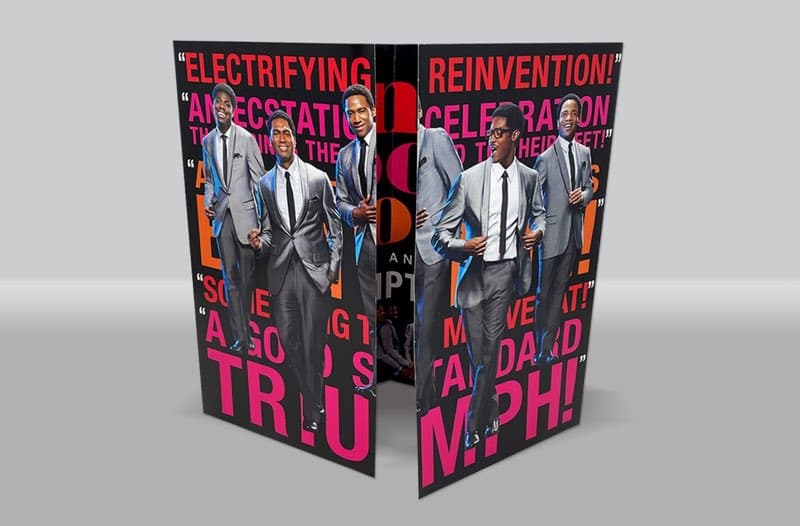
How Does Digital Printing Work? A Step-by-Step Guide
Digital printing skips the plates and goes straight from file to paper. Here's exactly what happens inside a modern digital press — and what it means for your project.
March 8, 2026•6 min read
Blog
Print insights. Expert tips.
Printing guides, design tips, and industry insights from a NYC commercial printer.
About this blog
VSL Print is a family-owned commercial printer founded in 2009 and based at 239 West 29th Street in Manhattan. Formerly known as Varick Street Litho, we run offset, digital, large format, and finishing all under one roof. This blog is where we share what we learn doing that work every day, so the advice here comes from the press floor and the bindery rather than a generic style guide. Whether you're ordering business cards for the first time or specifying a complex catalog, the goal is to help you make confident decisions before a job goes to plate.
A lot of print outcomes are decided long before ink hits paper. The choice between offset lithography and digital printing affects unit cost, the range of stocks you can use, and whether you can match an exact Pantone brand color. Paper weight and finish change how a piece feels in the hand: a 14pt or 16pt gloss cover reads differently from a 16pt silk laminated card or a 32pt ultra-thick stock with painted edges. Coatings matter too. Aqueous gloss protects and adds shine at low cost, soft-touch lamination gives a velvety matte feel, and spot UV creates contrast by glossing only selected areas of a matte sheet. We unpack these trade-offs so the specs on your quote actually mean something.
File preparation is the other place projects succeed or stall. Most reprints and delays trace back to missing bleed, low-resolution images, RGB color that shifts on a CMYK press, or fonts that weren't embedded. Our guides walk through building a press-ready PDF/X with 0.125 inch of bleed, holding live copy inside a safe margin, keeping images at 300 DPI, and flagging spot colors so we match them precisely. As a G7-calibrated shop, we calibrate to a shared gray-balance standard, which keeps neutrals and brand colors consistent across offset, digital, and large-format output. Every spec in these guides is the working standard for our offset printing in NYC jobs.
You'll also find pieces grounded in the realities of printing in New York City: planning rush jobs around a noon cutoff, coordinating large-format signage and installation for storefronts and events, and producing work for the kinds of clients we serve here, from Broadway productions and gallery openings to Wall Street firms and neighborhood restaurants. The same-day pieces draw on our digital printing in NYC operation, which handles most rush work. Use the categories below to filter by what you need, or start with the featured article above.
Digital printing skips the plates and goes straight from file to paper. Here's exactly what happens inside a modern digital press — and what it means for your project.
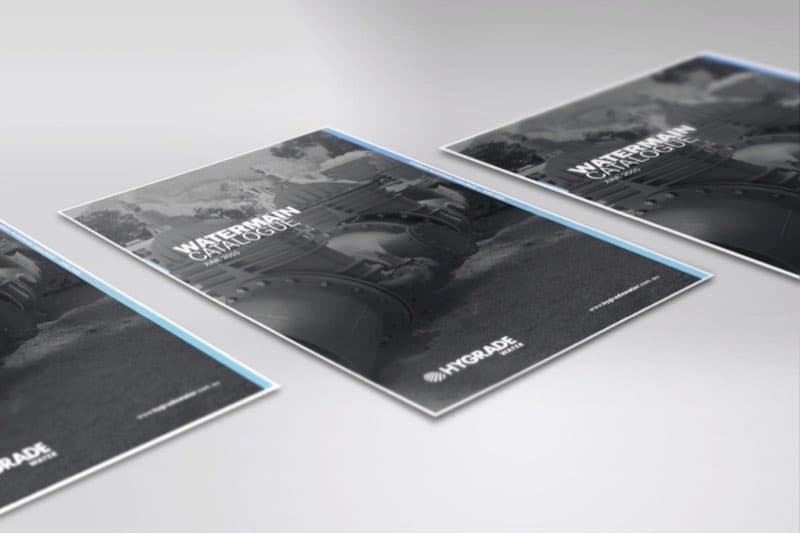
Four colors — Cyan, Magenta, Yellow, and Black — combine to reproduce virtually any color in the spectrum. Here's how the process works and what you need to know as a designer or buyer.

Offset printing has been the backbone of commercial printing for over a century. We walk through the complete process from prepress to finished sheet — and explain why it still sets the quality standard.
Digital printing pricing feels opaque until you understand what drives it. We break down every cost factor — quantity, size, paper, turnaround — so you can budget accurately and compare quotes fairly.
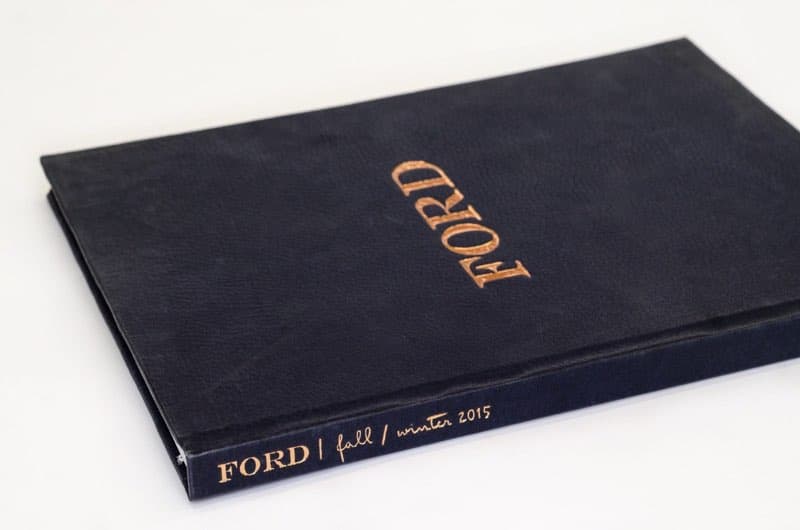
Digital printing gets the buzz, but offset printing remains the workhorse of commercial printing for good reasons. Here are the concrete advantages — and when they matter most for your projects.
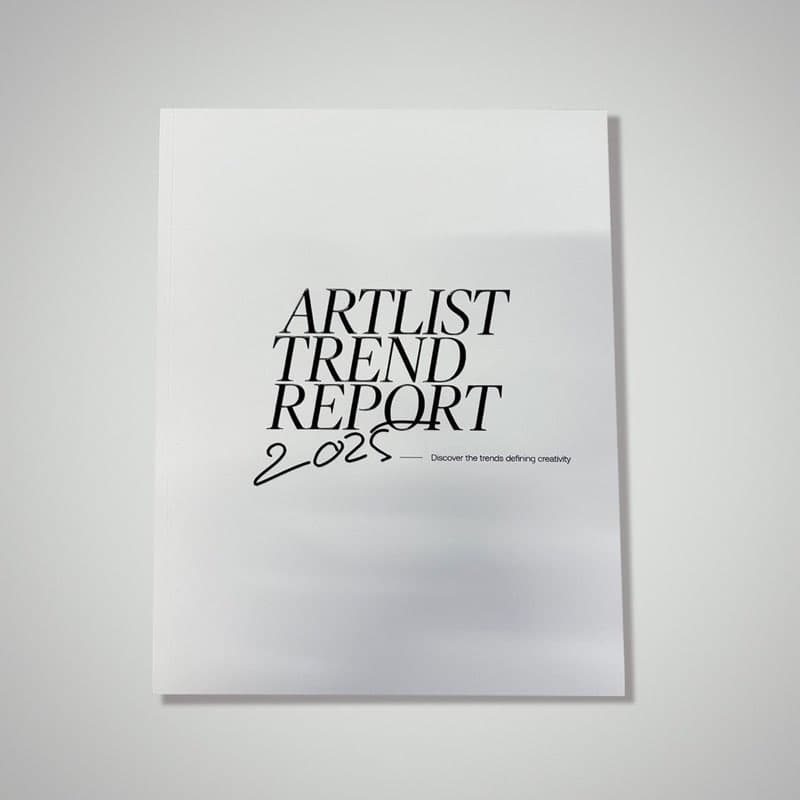
Offset printing isn't limited to standard letter and tabloid sizes. We explain press sheet sizes, common format options, and how to plan your project dimensions for maximum efficiency and economy.
Paper is just the beginning. Offset printing works on a surprisingly wide range of substrates. Here's a clear breakdown of materials, their characteristics, and which ones work best for different applications.
A press run that reveals a typo, a wrong color, or a missing bleed is an expensive mistake. Here's how professional proofing works and how to use it to catch problems before they become print runs.
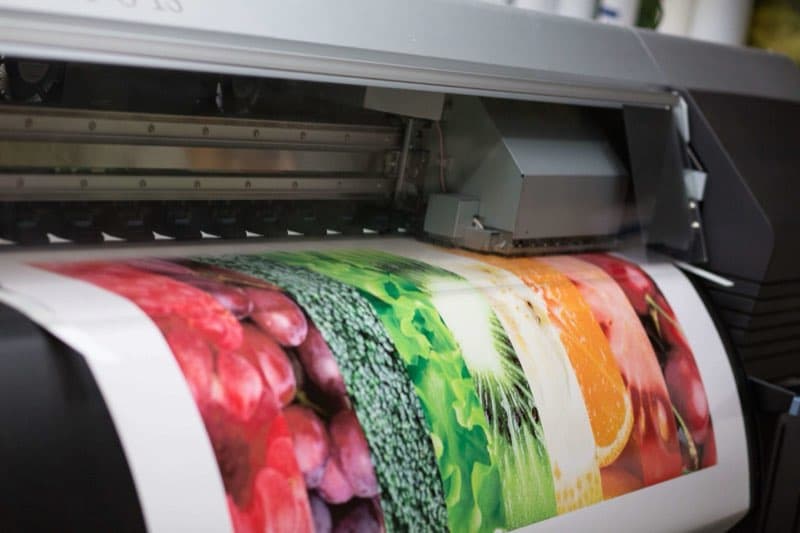
Getting an accurate large format printing quote requires sharing the right information. Here's exactly what to tell your printer — and what questions to ask — to get a quote you can actually use.

Need a banner by Friday? Wondering if same-day large format printing is really possible? Here's an honest breakdown of realistic turnaround times for every type of large format job.
Large format printing has specific file format requirements that differ from standard commercial printing. Supply the wrong format and you risk delays, quality issues, or a reprint. Here's how to get it right.
Between rush fees, file processing, and finishing time, large format turnaround can be confusing. We explain what actually determines delivery speed — and how to get your order on time every time.
Both large format and digital printing use inkjet or toner technology — so what makes them different? The answer involves output size, substrate type, viewing distance, and the right application for each.
A poorly prepared file is the most common cause of print delays, unexpected costs, and disappointing results. Follow these guidelines to get your offset printing jobs right the first time.
Pantone colors and offset printing are a natural pairing — but there are rules, limitations, and decisions to make. Here's everything you need to know about specifying and printing Pantone colors correctly.
Paper selection for large format printing isn't just about aesthetics — the wrong substrate can fail outdoors, wrinkle indoors, or simply look wrong for the application. Here's how to choose correctly.
Paper selection shapes how your printed piece looks, feels, and communicates. With hundreds of options available, here's how to think through paper weight, coating, and finish for every type of offset print job.
From 24" posters to 100-foot building wraps, large format printing covers an extraordinary range of sizes. Here's how to think about size, what's standard, what's custom, and how size affects cost.
Digital printing is more versatile than most buyers realize. From business cards to books, personalized mailers to packaging prototypes — here's the full range of what digital printing can produce.
Offset printing is not limited to paper. Learn which substrates work best for your project and how VSL Print handles specialty materials in NYC.
Even experienced designers make costly digital printing errors. Here are the ten most common mistakes and exactly how to avoid them before you send your files to press.
Need it today? VSL Print offers genuine same-day digital printing from our Manhattan shop. Here is what you need to know about rush turnaround, file requirements, and realistic expectations.
Offset printing remains the gold standard for high-volume commercial print. Learn how the process works, how it differs from digital, and when it is the right choice for your project.
Resolution is the single biggest factor in digital print quality. This guide explains DPI, PPI, the 300 dpi rule, and how image size translates to print size for sharp results every time.
Pantone color accuracy in digital printing is achievable — but it requires the right workflow. Learn how modern digital presses approximate Pantone colors, what the limitations are, and when to switch to offset.
Spot colors are one of offset printing's most powerful features. Learn what they are, how they work, when to use them, and how to specify them correctly in your design files.
Vinyl, fabric, foam board, canvas, mesh — the material you choose for large format printing determines durability, appearance, and application. This guide covers every major substrate and when to use each.
Large format printing goes far beyond banners. From trade show displays to building wraps, this guide covers every type of project that benefits from large format production — and why.
Offset printing errors are costly to correct after press. Our prepress team shares the eight most common mistakes — and the expert techniques to prevent them before your job goes to press.
Proofing large format print before the final run is not optional for serious projects — it is essential. Learn what types of proofs are available, what they reveal, and how to use them effectively.
Large format printing errors are expensive and time-consuming to fix. Here are the most common mistakes designers and buyers make — and how to avoid every one of them before your job goes to press.
Double-sided large format printing is possible and often the most effective way to maximize visibility at events, in windows, and on hanging displays. Here is what you need to know.
Pantone color accuracy in large format printing requires a different approach than offset. Learn how large format printers handle Pantone colors, what to expect, and how to get the best color results.
Large format printing pricing changes significantly with volume. Understanding how quantity affects cost — and when alternative production methods make more sense — helps you get the best value for your budget.
Sustainable large format printing is possible and increasingly standard. Learn about eco-solvent, latex, UV-curable, and water-based inks — what they are, how they perform, and which is right for your project.
Digital printing has transformed commercial production over the past two decades. This comprehensive guide covers how it works, the different technologies available, its advantages and limitations, and when to choose it.
Digital printing has genuine environmental advantages over traditional offset production. Here are four concrete reasons digital printing is a greener choice — and the areas where improvement is still needed.
Double-sided offset printing — also called perfecting — requires careful planning for paper, registration, and drying. Here is everything you need to know to get accurate results on your next two-sided offset job.
Spot color in large format printing works differently than in offset. Learn how wide-format presses handle color, what "spot color" means in this context, and how to get the most accurate color results for your display.
Wondering whether offset printing saves money at scale? We break down the economics of high-volume offset runs and show you when it makes clear financial sense.
Offset and digital printing both produce beautiful results, but they work very differently. Here is a clear comparison to help you choose the right method for your next project.
Large format printing and lithography serve different needs. We explain the core differences so you can choose the right process for your banners, posters, and marketing materials.
Sustainability matters. We cover the top three eco-friendly ink options available for offset printing and what each means for your print quality and environmental footprint.
Gloss, matte, uncoated, silk — offset printing works with a wide range of paper finishes. We explain what is available and how each finish affects the look and feel of your printed piece.
Finishing transforms a printed piece from good to exceptional. Here is a complete guide to the digital print finishing options VSL Print offers in Manhattan.
Photo printing quality depends heavily on the printing method. We compare offset and digital printing for photographic content so you can make the best choice for your project.
Poorly prepared files are the number one cause of printing delays. Follow our step-by-step guide to set up your digital printing files correctly the first time.
Large format printing offers unique advantages for businesses that need to make a big visual impact. We cover the top benefits and why NYC businesses rely on it.
Complex designs require special preparation for large format output. Our experts share 10 tips to ensure your intricate artwork prints beautifully at scale.
Curious about what happens inside a large format printer? We explain the full process — from file preparation to finished output — in this comprehensive guide.
Intricate designs, fine details, and complex color builds are well within offset printing capabilities — when files are prepared correctly. Here is how to get it right.
Digital printing has genuine advantages over offset in many situations. We break down when and why digital printing is the smarter choice for your project.
Variable data printing is one of digital printing's most powerful capabilities. This definitive guide explains how it works, what it can do, and how to get started.
VSL Print serves clients far beyond Manhattan. Here are our top delivery and shipping services for digital prints, along with answers to the most common questions.
Tight deadline? Small quantity? VSL Print specializes in rush digital printing in Manhattan. Here are our best tips for getting small batch orders done fast.
Offset printing is synonymous with quality — but understanding exactly what that means helps you get more from your print budget. We explain offset print quality and how to maximize it.
Not every project belongs on an offset press — but many of the best ones do. Here is a practical guide to the types of projects where offset printing shines.
Submitting the right file format is the first step to a smooth digital printing experience. Here is a complete guide to the file formats VSL Print accepts and recommends.
Getting your files right before sending to the offset press avoids costly delays. Here are the essential file format guidelines for offset printing at VSL Print.
Learn how CMYK 4-color process printing works in large format applications and why it matters for banners, signs, and displays.
Brand color consistency between screen and print is one of the most common challenges in commercial printing. Here is how VSL Print achieves accurate color matching for NYC businesses.
Modern digital printing goes far beyond standard paper stocks. Discover the wide range of substrates VSL Print can handle — from vinyl and canvas to rigid boards and fabric.
Large format printing works on far more than paper. This guide covers the full range of paper and plastic substrates available for large format printing at VSL Print in NYC.
Offset printing excels at certain sizes and quantities, but large format has limits. Learn when offset makes sense versus large format digital, and what VSL Print recommends for your project.
Digital printing technology has made large format output faster, more affordable, and more flexible than ever. See how VSL Print uses digital large format to help NYC businesses grow.
Metallic effects in large format printing are achievable — though the methods differ from small-format metallic inks. Learn what options are available at VSL Print for stunning metallic large format graphics.
Proofing is a critical step in professional offset printing. This guide explains the types of proofs available at VSL Print and how to use them to ensure perfect results on your print job.
Preparing print files for large format output requires different settings than small-format print. This guide covers resolution, color mode, bleeds, and file formats for flawless large format printing.
Digital printing shines at short to medium print runs. This article explains the optimal quantities and image size considerations for digital print jobs at VSL Print.
Turnaround time is one of the top questions for any print project. Get clarity on standard and rush digital printing timelines at VSL Print in NYC.
How large can you go with digital printing? Learn about maximum print sizes, resolution considerations, and how to ensure high quality at any scale at VSL Print NYC.
Offset printing takes longer than digital due to prepress and press setup, but the quality and economics at volume make it worth planning ahead. Here are typical turnaround times at VSL Print.
Paper selection significantly impacts the look and feel of your digital prints. Explore the full range of paper stocks available for digital printing at VSL Print in NYC.
Lithography is the printing technology behind every offset press in commercial print. Learn how lithography works, why it still dominates high-quality commercial printing, and what it means for your print projects.
New York City has many print vendors, but few offer the breadth of capability, quality, and experience of VSL Print. Here is what sets the top NYC print companies apart — and why VSL Print is a trusted full-service commercial printer for Manhattan businesses.
From offset and digital printing to large format signage and specialty finishing, VSL Print offers the full range of commercial printing services for New York City businesses.
Custom signage is one of the most impactful investments a business can make. Explore VSL Print's full range of custom sign options for NYC businesses, retailers, events, and corporate environments.
Whether you need short-run digital prints, high-volume offset prints, or large format graphics, VSL Print delivers exceptional commercial printing for NYC businesses and creative professionals.
Not all printers are equal. This guide explains what to look for when choosing a commercial printer in New York City and why VSL Print has been Manhattan's trusted print partner since 2009.
Our articles walk through the decisions that actually affect a finished print job: choosing between offset and digital, picking paper weight and finish, understanding coatings like aqueous, soft-touch lamination, and spot UV, preparing press-ready files, and planning turnaround for rush work. We write from the floor of a 100% in-house shop, so the guidance reflects how jobs really run from prepress to bindery.
It depends on quantity, stock, and color needs. Offset lithography earns its setup cost on longer runs, gives you the widest range of stocks, and lets us print Pantone spot colors for exact brand matching. Digital skips plates, so it is faster and cheaper for short runs, variable-data jobs like personalized mailers, and rush work. Many of our blog guides break the math down by quantity so you can see where the crossover usually lands.
Export a PDF/X with 0.125 inch of bleed on every edge, keep important text and logos at least 0.125 inch inside the trim as a safety margin, use 300 DPI minimum for raster images, and build color in CMYK rather than RGB. Outline or embed all fonts, and flag any Pantone spot colors so we match them rather than converting to process. Several articles cover bleed, resolution, and color setup in step-by-step detail.
Common cover weights run 14pt and 16pt in gloss, matte, or silk, with 32pt ultra-thick and 100% cotton for premium pieces, plus kraft and recycled options. Text-weight house stocks suit booklets, brochures, and stationery. On the finishing side we cover aqueous gloss and matte, soft-touch (velvet) lamination, spot UV, foil stamping, embossing, debossing, die-cutting, and edge painting, all handled by our own bindery.
Rush printing is available for many products when files are press-ready and ordered early in the day. Business cards, flyers, postcards, small posters, and basic booklets move fastest; large format, specialty finishing, and bindery-heavy jobs need more lead time. Because offset, digital, large format, and finishing all happen in-house, we control the schedule instead of waiting on outside vendors.
We are based at 239 West 29th Street, Ground Floor, in Manhattan, with local pickup and courier delivery across NYC, and we ship completed orders nationwide. Our hours are Monday through Friday, 9 AM to 7 PM, and you can reach the shop at (646) 843-0800 to talk through a project before you order.
Subscribe for monthly insights on printing, design, and industry trends.