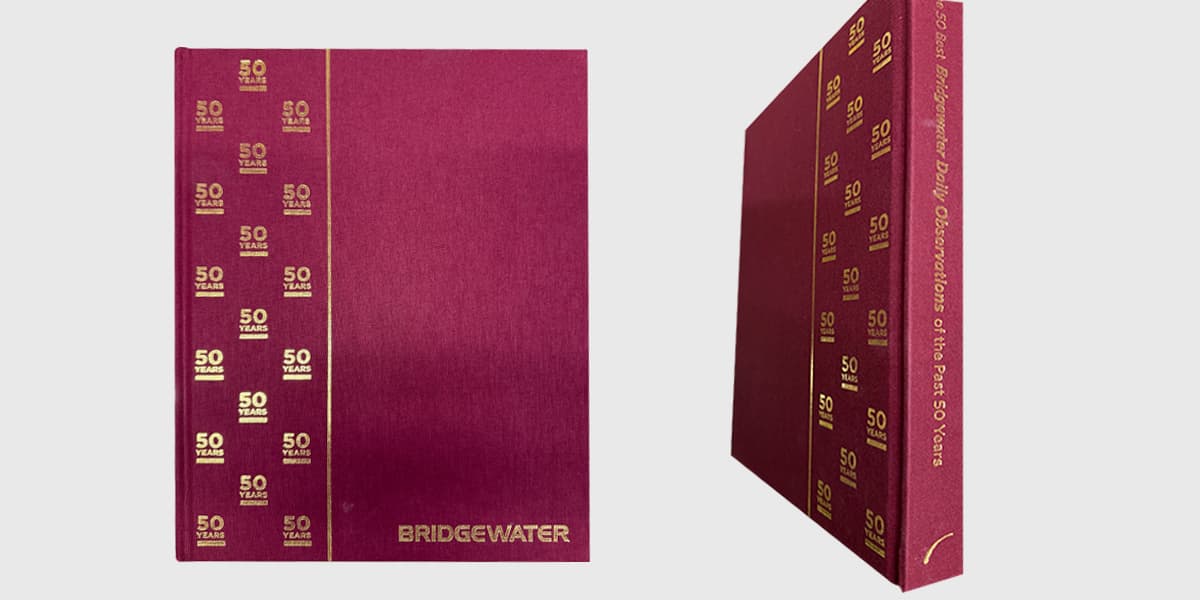
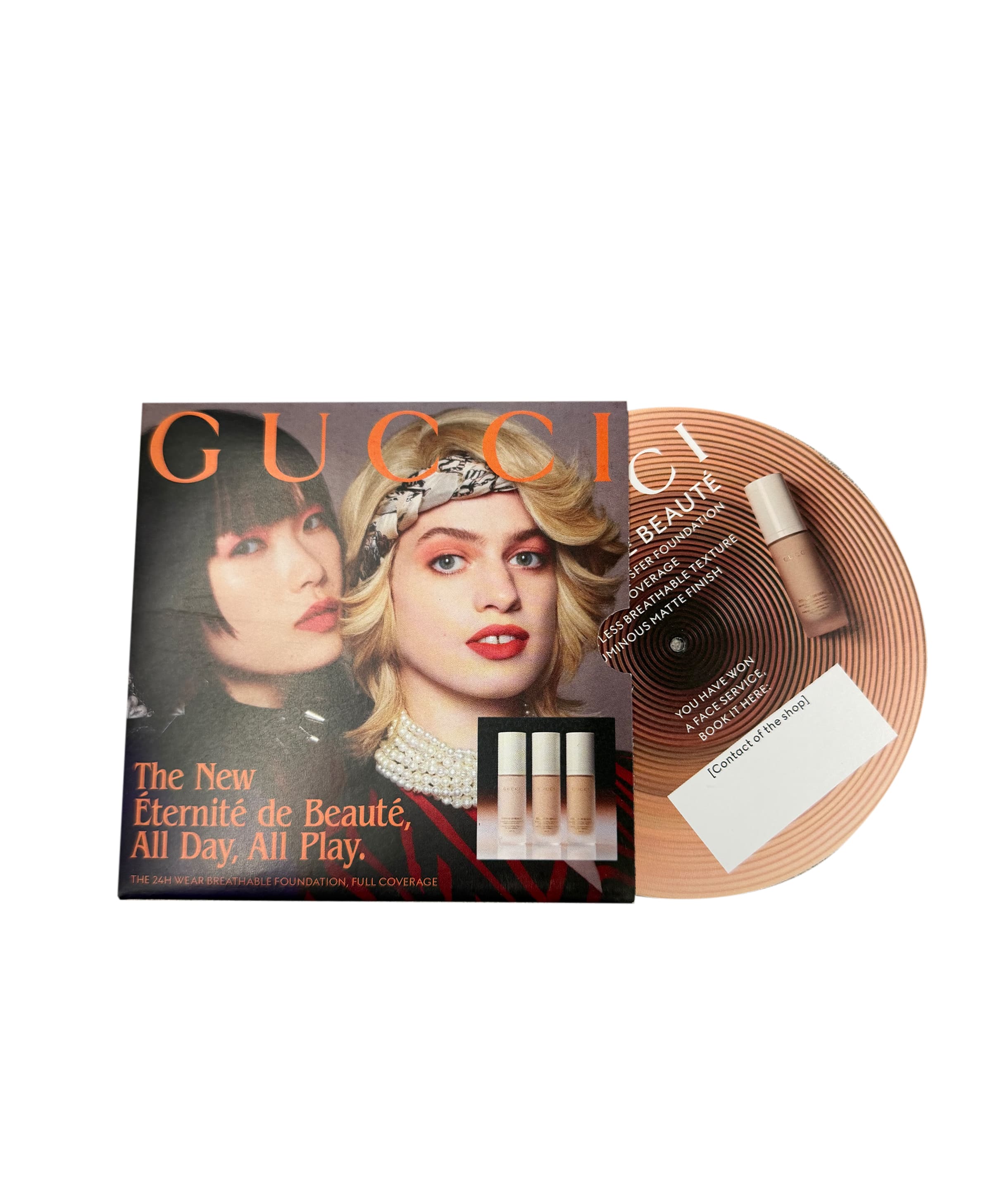
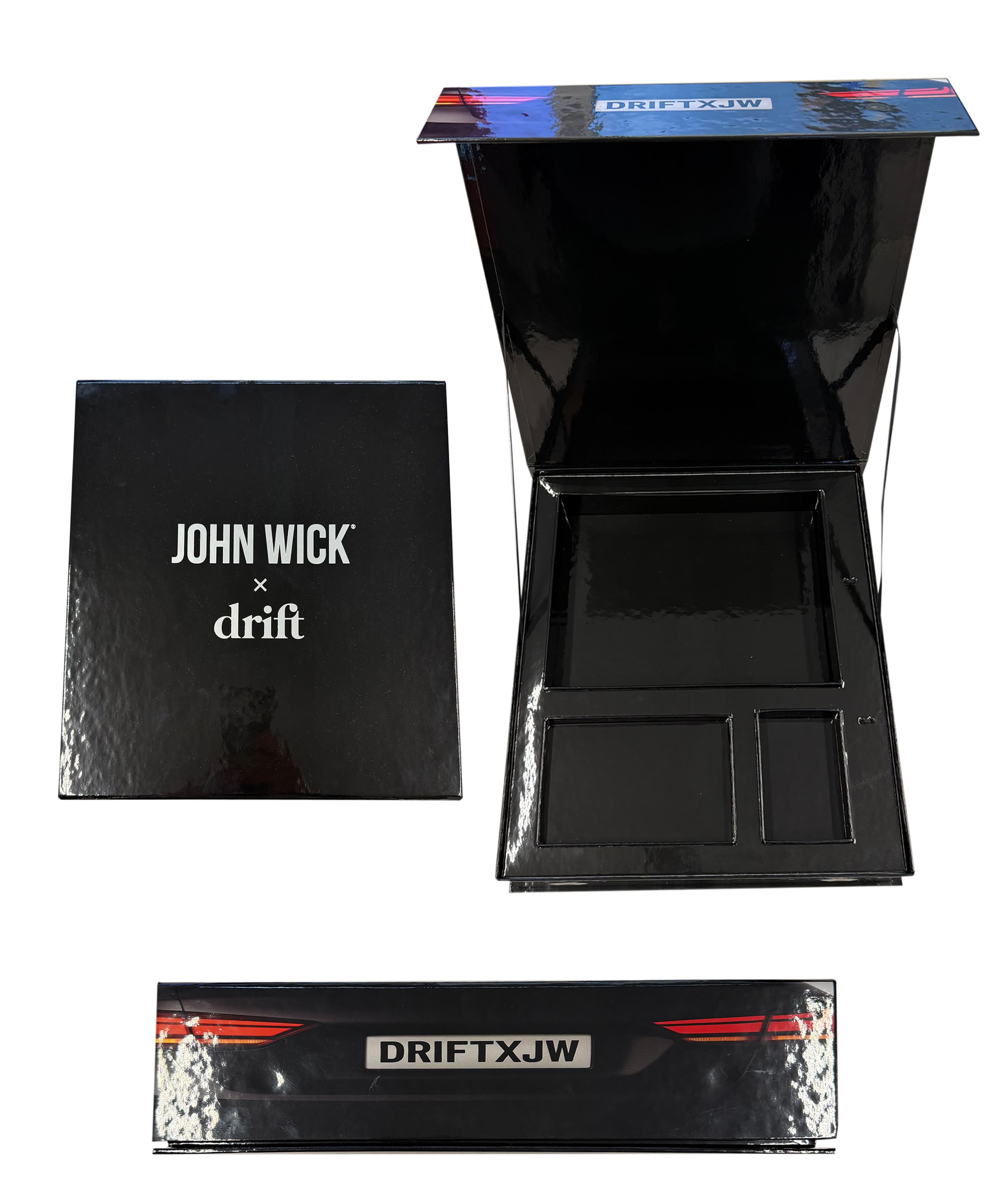
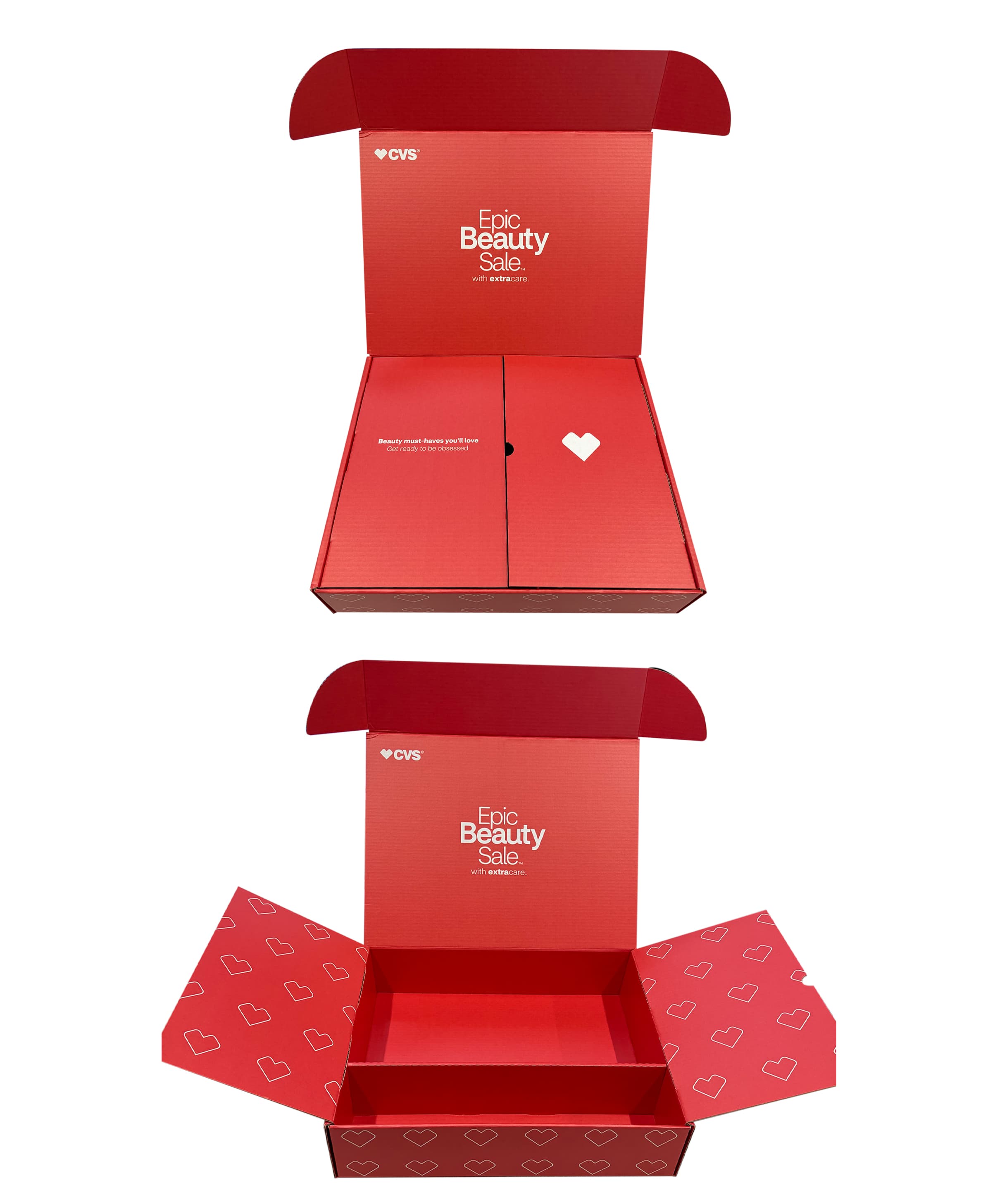
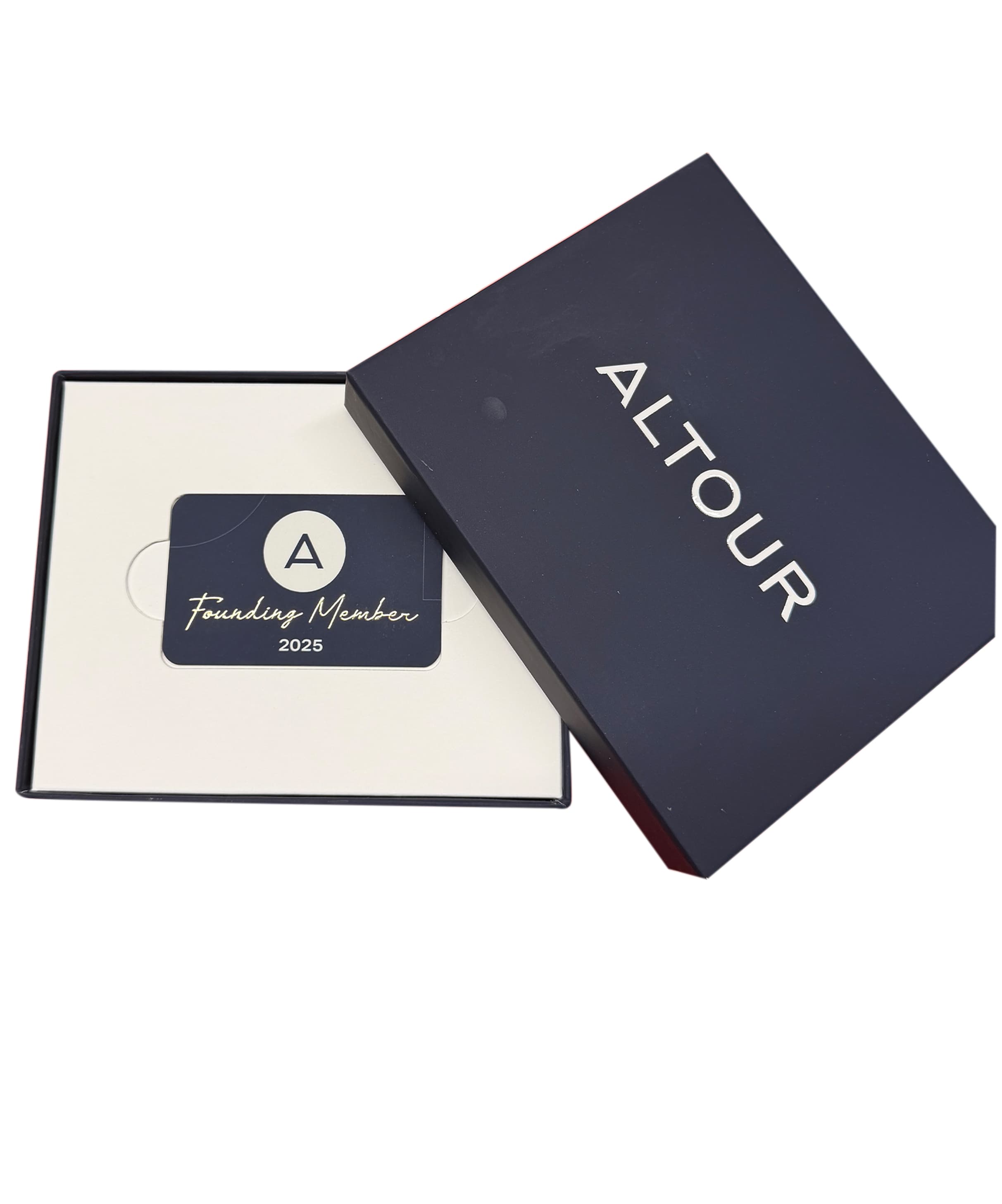
Every project on this page started the same way most of ours do — a brand needed print or packaging that had to look exactly right, ship on a real deadline, and survive the trip from our press to a customer's hands. VSL Print is a family-owned commercial printer founded in 2009 (formerly Varick Street Litho) and based at 239 West 29th Street in Manhattan, where offset, digital, large-format, finishing, and bindery all run under one roof. Keeping production 100% in-house is what lets us hold a consistent look across thousands of units and turn rush work without handing files to an outside vendor at the worst possible moment. When a program calls for custom boxes, the structural engineering, printing, and finishing all run on that same floor.
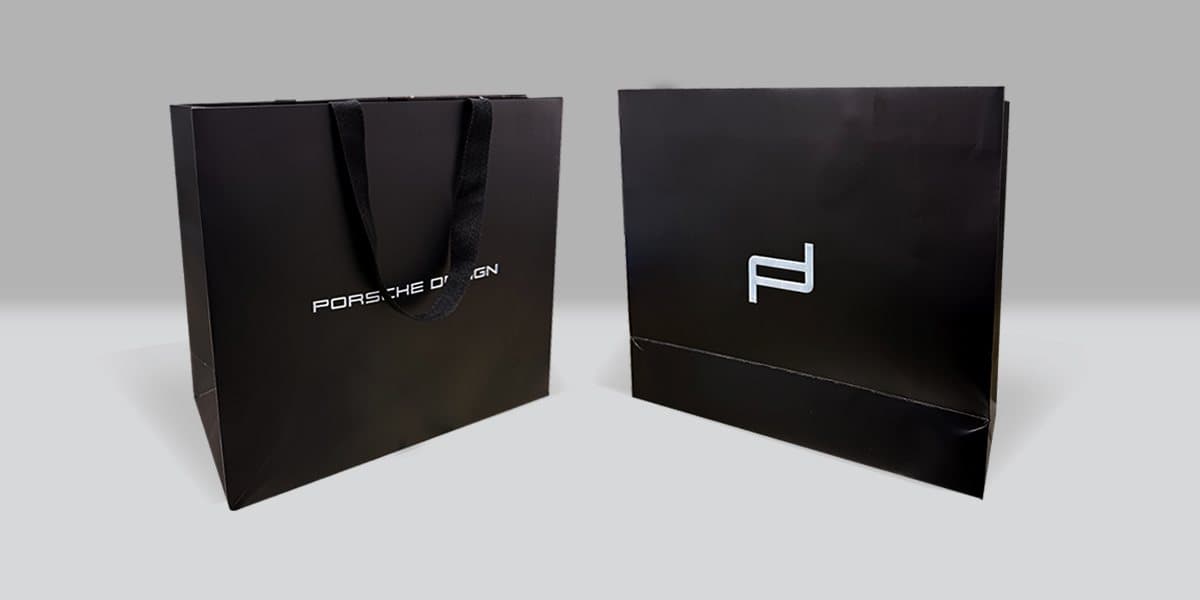
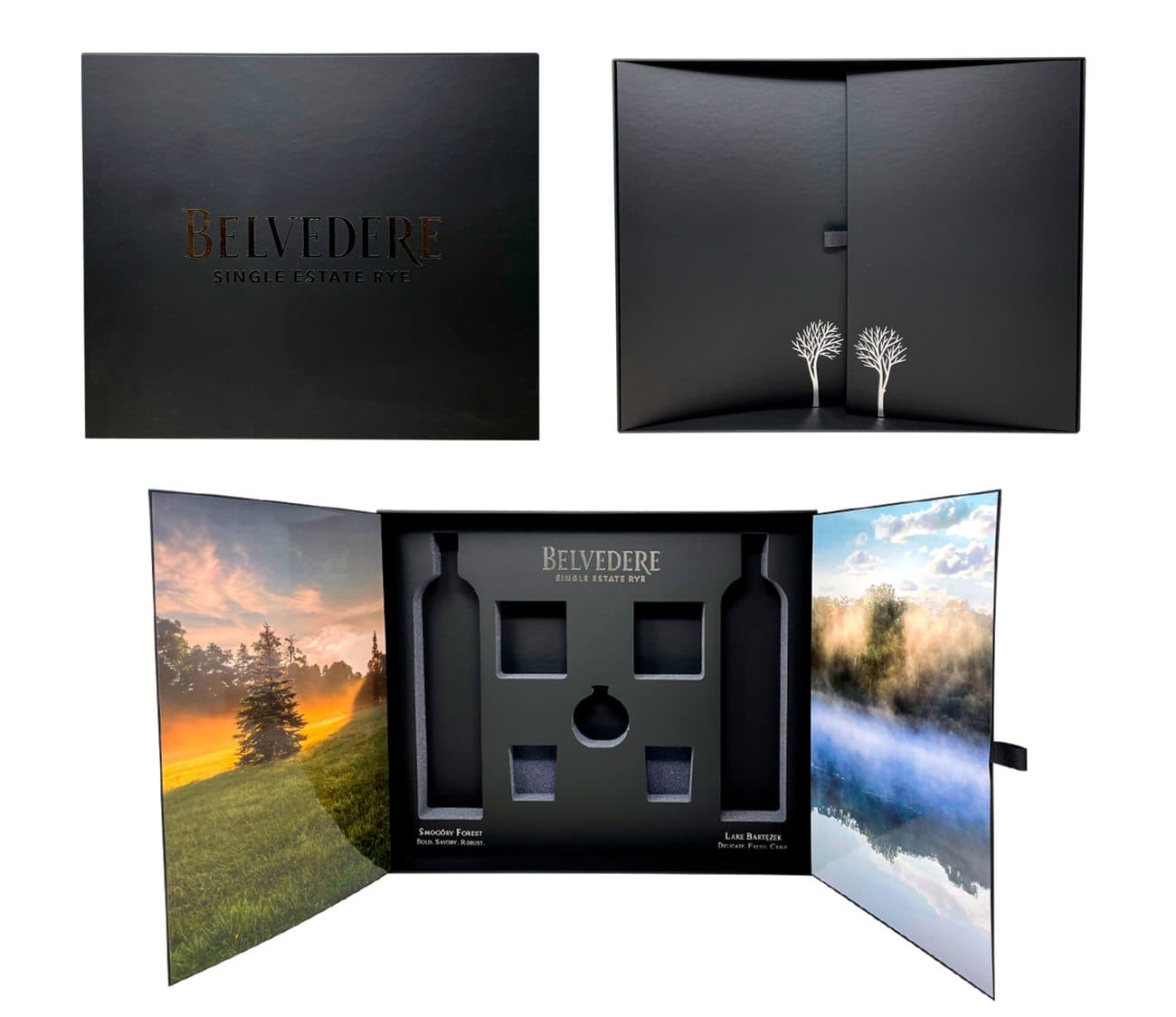
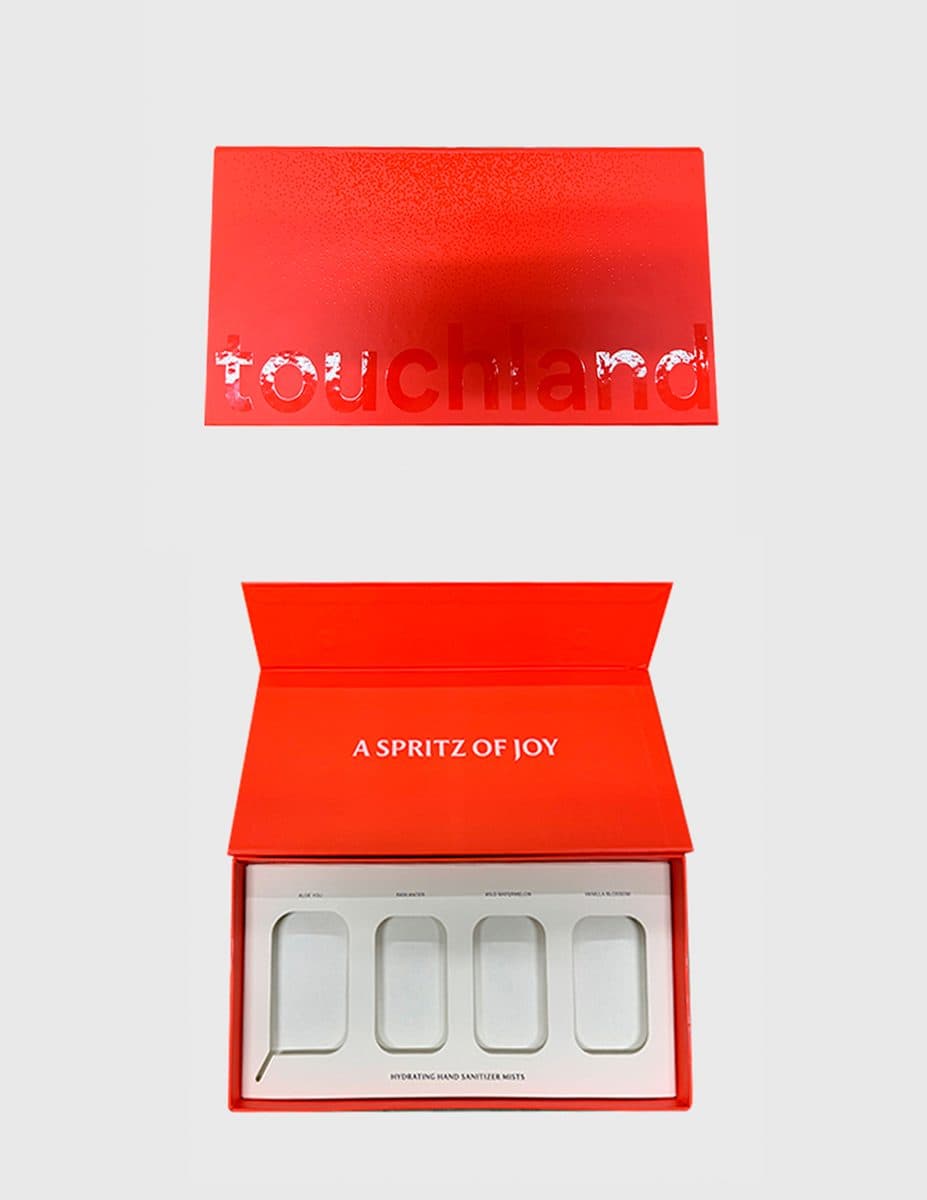
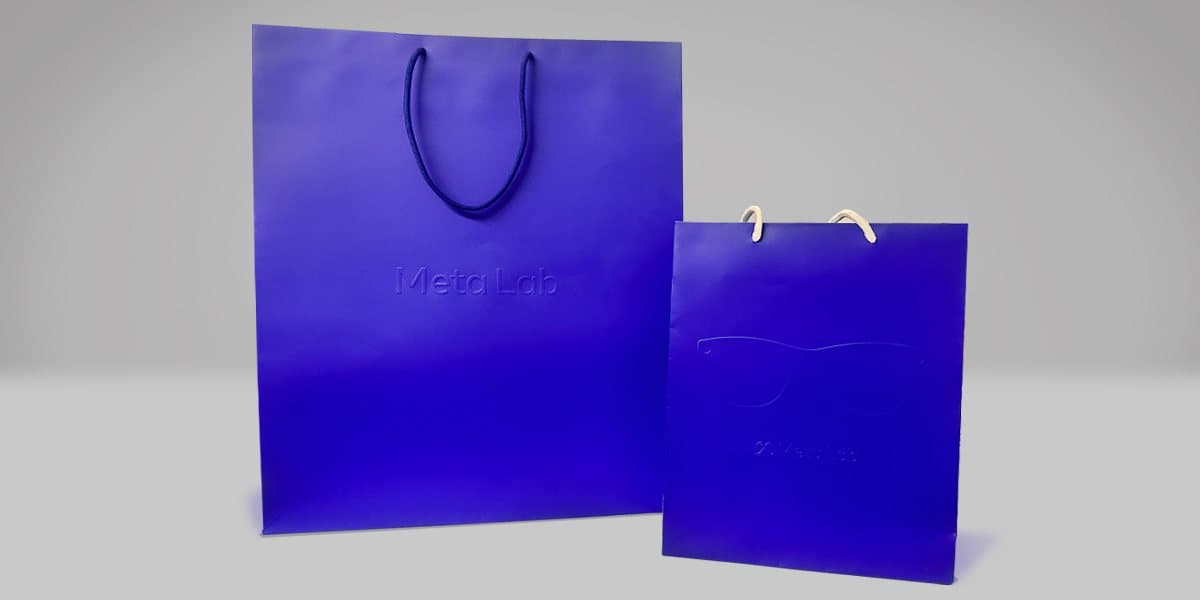
The case studies below skew toward luxury packaging because that's where the most demanding choices live: a gift bag or influencer box has to read as premium in a photograph and feel premium in the hand. That comes down to specifics — heavyweight cover stocks and rigid greyboard for structure, soft-touch and matte lamination for the surface, and finishing like foil stamping, blind and registered embossing, spot UV, and die cutting to add the detail a customer notices. Color is held to PMS spot builds and flood coats so a brand's signature shade is the same on the first unit and the last, a discipline backed by our G7 calibration for predictable, repeatable color across every run. Many of the same fashion clients also come to us for lookbook printing, where that color discipline has to hold across an entire collection.
Production methods get matched to the job rather than the other way around. Long runs that need crisp solids and exact Pantone matches go on offset; shorter runs, variable data, and tight-turnaround proofs go digital; oversized retail and event graphics go through large format. Whatever the method, the file-prep expectations are the same: print-ready PDFs built to final size with 0.125" bleed, artwork and type kept inside a safe margin, images at 300 DPI, and color set in CMYK with any spot colors named so they trap and separate correctly. Structural packaging adds a keyline or dieline layer so we can confirm fold, glue, and assembly before anything hits the press — the step that quietly prevents most reprints.