The Ultimate Large Format Printing Materials Guide
Vinyl, fabric, foam board, canvas, mesh — the material you choose for large format printing determines durability, appearance, and application. This guide covers every major substrate and when to use each.
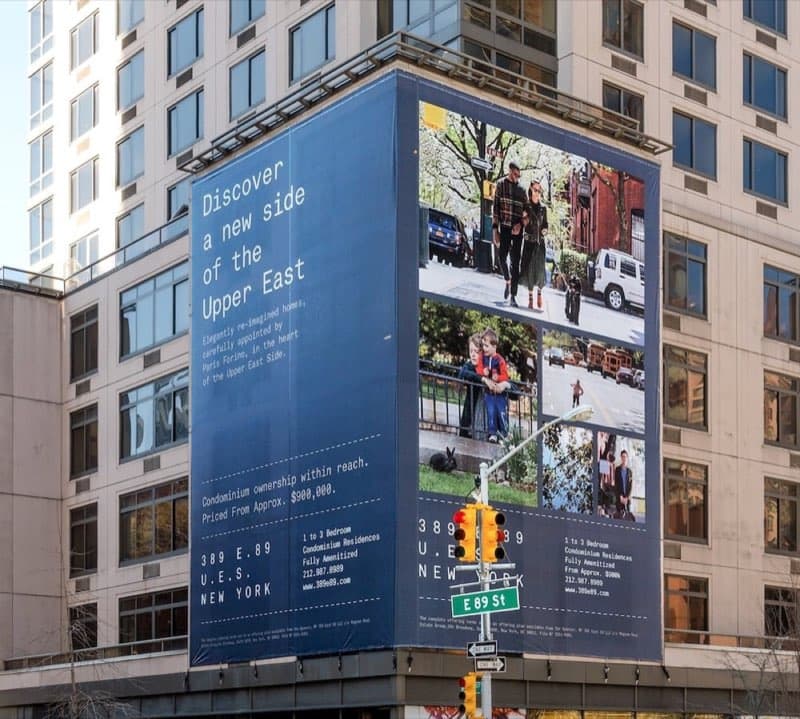
Choosing the Right Material for Large Format Printing
At VSL Print, large format printing is one of our most requested services — and the substrate question is the first thing we address with every client. The material you print on determines how the finished piece looks, how long it lasts, where it can be installed, and ultimately what it costs. This guide covers the major large format printing materials we work with every day at our Manhattan facility. Anyone still weighing the format itself will find the buyer's case in our summary of the advantages of large format printing.
Vinyl
Vinyl is the most versatile and widely used large format substrate. It comes in two primary forms:
- Cast vinyl — thin, conformable, and highly durable; used for vehicle wraps, complex curved surfaces, and long-term outdoor applications. Cast vinyl conforms to surface contours without lifting or wrinkling and carries a lifespan of 5–7+ years outdoors.
- Calendered vinyl — thicker and less conformable than cast; appropriate for flat surfaces and shorter-term applications (1–3 years outdoors). More economical than cast for straight-surface applications like window graphics and flat wall signage.
Vinyl finishes include gloss (vivid, high-contrast color), matte (reduced glare, more neutral appearance), and luster/satin. Vinyl can be printed with UV-resistant inks and laminated for additional scratch and weather protection. Cast vinyl's conformability is also what makes fleet graphics and bus wraps possible on curved, riveted surfaces.
Fabric and Textile
Fabric substrates have become enormously popular for trade shows, retail environments, and event displays because they are lightweight, packable, and produce a premium, wrinkle-resistant appearance.
- Dye-sublimation fabric — ink is heat-transferred into the fibers, producing vibrant, photographic color with no surface texture disruption. Standard for pop-up displays, backdrops, and tension-frame systems.
- Blockout fabric — opaque, preventing light bleed-through; used for double-sided hanging banners and environments with strong backlighting.
- Mesh fabric — semi-transparent weave that allows wind to pass through; ideal for large outdoor banners on building scaffolding or fences where wind load would otherwise be a concern.
Rigid Boards
For interior display, presentations, and short-term signage, rigid boards offer a self-supporting structure that requires no framing.
- Foam core — lightweight, economical; suitable for trade show graphics, event signage, and in-store displays. Available in 3/16" and 1/2" thicknesses. Not for outdoor use.
- Gator board (Gatorfoam) — denser and more rigid than standard foam core; better for repeated use and applications where durability is needed.
- Sintra (expanded PVC) — rigid, weather-resistant, and cuttable with standard tools; used for outdoor temporary signage, real estate signs, and directional displays.
- Aluminum composite (Dibond) — aluminum face sheets bonded to a polyethylene core; extremely rigid and weather-resistant; ideal for permanent outdoor signage, directional signs, and architecture graphics.
Polycarbonate and Acrylic
Transparent and translucent rigid substrates are used for backlit signs, window graphics, and display cases.
- Acrylic (Plexiglas) — clear or colored; printed on the reverse side for a protected, dimensional appearance; used for lobby signage, lightboxes, and menu boards
- Polycarbonate — more impact-resistant than acrylic; used in environments where durability is paramount
Canvas
Fine art canvas and artist-quality poly-cotton blends are used for photographic reproductions, gallery prints, and décor applications. Inkjet-printed canvas with archival pigment inks can last 75–100 years under proper indoor conditions. Gallery wrap mounting (stretching over a wooden frame) is the most popular finishing option, though canvas can also be rolled and shipped for framing elsewhere.
Wallcovering and Window Film
- Repositionable wallcovering — peel-and-stick material for walls, available in smooth and textured finishes; widely used for office murals, retail environments, and branded spaces
- Perforated window vinyl — printed on one side with small holes that allow outward visibility from inside; used for vehicle windows, store windows, and promotional graphics
- Frosted and etched glass films — achieve the look of acid-etched glass without the permanent commitment; popular for office partitions and privacy screens
Lamination and Protective Overlaminates
The substrate is only half the durability story — what goes over the print often matters just as much. An overlaminate is a clear protective film applied to the printed surface to guard against UV fading, abrasion, moisture, and chemicals. Gloss laminate boosts color saturation and contrast; matte laminate cuts glare, which is important for graphics under direct lighting or in photographed environments; and anti-graffiti or textured laminates serve specialized applications such as floor graphics, where slip resistance is a safety requirement. For outdoor vinyl, an overlaminate can extend usable life by years and is strongly recommended for anything exposed to weather or frequent handling.
Matching Ink Systems to the Substrate
Different materials demand different inks. Eco-solvent and latex inks bond well to flexible vinyl and fabric and stand up to outdoor exposure; UV-curable inks cure instantly and adhere to rigid and heat-sensitive boards like acrylic, foam, and aluminum composite; aqueous pigment inks deliver the archival color accuracy that fine-art canvas and photo prints require. The right pairing of ink and substrate determines not only color quality but how long the finished piece survives in its environment. When we quote a project, the ink system is chosen alongside the material, not as an afterthought.
Estimating Material Lifespan
Clients frequently ask how long a printed graphic will last, and the honest answer depends on substrate, ink, lamination, and exposure. As general guidance: unlaminated calendered vinyl is suited to short-term outdoor use of one to three years; laminated cast vinyl can hold five to seven years or more; aluminum composite and acrylic are appropriate for permanent installations; and foam core and paper-faced boards are indoor, short-term materials only. Indoor pieces protected from sunlight and weather last far longer than the same materials placed outdoors. Telling us the intended lifespan up front lets us specify a build that neither under-delivers nor over-spends.
Frequently Asked Questions
Which material is best for a one-time indoor event? Foam core or Gatorboard for self-supporting signage, retractable banner stands for portable graphics, and tension-fabric displays for a premium, packable look. None need weatherproofing.
Can I reuse a large format display? Yes — fabric displays, retractable banner stands, and rigid boards like Gatorboard are designed for repeated setup and travel. Choose durable substrates and protective laminates if the piece will be handled often.
What goes on the outside of a building or fence? Mesh vinyl is the standard for large outdoor banners because it lets wind pass through, reducing load. For rigid exterior signage, aluminum composite or expanded PVC are the dependable choices.
Which material gives the most vivid color? Gloss vinyl and gloss-laminated substrates produce the most saturated, high-contrast color. Matte surfaces and fabric read softer, which is preferable where glare or photography is a concern.
How long will an outdoor banner last? It depends on substrate, ink, and lamination, but a laminated cast-vinyl piece can hold five to seven years outdoors, while economy unlaminated calendered vinyl is better suited to one-to-three-year use. Tell us the intended lifespan and we will specify accordingly.
How to Choose the Right Material
Ask yourself these questions: Will the piece be used indoors or outdoors? How long does it need to last? Is it going on a flat surface or a curved or textured one? Does it need to be portable or permanent? Does the installation environment have special requirements (fire rating, anti-slip, moisture resistance)?
At VSL Print, our large format specialists will walk you through these questions and recommend the most cost-effective material for your application. We print, cut, mount, and install — providing a complete solution from file to finished display. Call 646-843-0800 or request a large format quote online.
Looking for professional large format printing?
View Large Format PrintingReady to start your print project?
Get a free quote from a NYC commercial printer. Rush turnaround available.